
Tinnitus—the persistent ringing, buzzing, or hissing sound in the ears—can affect concentration, mood, and overall well-being. For many, it’s a sign of hearing loss, while for others, it’s a stand-alone condition. The good news? Modern hearing aids help manage tinnitus effectively. Advances in tinnitus technology and the evolution of the best hearing aids for tinnitus have given millions of people with tinnitus the ability to experience peace, focus, and comfort again.
This article explores how a hearing aid for tinnitus works, the link between tinnitus and hearing loss, and which aids for tinnitus in 2025 offer the most powerful tinnitus relief. It’s worth reading because it provides a complete guide to understanding tinnitus, its treatment options, and how to find the best hearing aid for your specific needs.
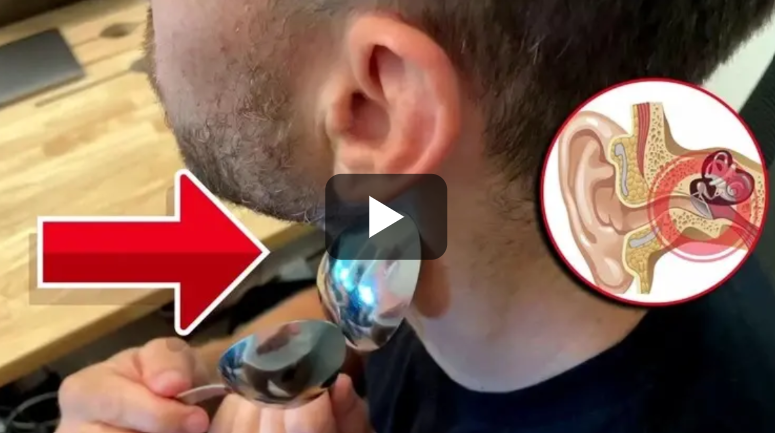
What Is Tinnitus and Why Does It Happen?
Tinnitus is a common auditory condition described as the perception of ringing or buzzing when no external sound exists. The internal sound of tinnitus may vary in intensity and pitch from one person to another. Some hear a faint tone, while others suffer from loud, ongoing noises.
There are several causes of tinnitus, including exposure to loud sounds, hearing loss, ear infections, and even certain medications. In many cases of tinnitus, the perception of tinnitus is related to damage in the hearing system, especially in the inner ear. Tinnitus is often associated with aging and long-term exposure to noise.
When people with tinnitus seek help, the first step is to learn about tinnitus and understand that while there’s no known cure for tinnitus, modern tinnitus management approaches can dramatically improve quality of life.
How Does a Hearing Aid Help with Tinnitus?
The use of hearing aids is one of the most effective ways to manage tinnitus and reduce tinnitus symptoms. A hearing aid for tinnitus amplifies external sounds, making the sounds of tinnitus less noticeable. This is called tinnitus masking.
When external sounds are enhanced, the brain’s attention away from the tinnitus helps decrease awareness of the ringing. Some hearing aids feature tinnitus programs that create gentle masking sound or white noise. This process is part of tinnitus therapy known as static noise tinnitus therapy.
In addition, hearing aids can help with mild to moderate hearing loss, which often accompanies tinnitus. By improving overall hearing, the hearing aid allows the brain to focus on real sounds instead of the tinnitus sound.
What Type of Tinnitus Can Hearing Aids Treat?
There are different type of tinnitus experiences. Tonal tinnitus, for example, involves a constant ringing at one or multiple frequencies. Other form of tinnitus include pulsatile or intermittent patterns.
Hearing aids play an essential role in addressing the type of tinnitus that overlaps with hearing loss. For people whose frequency range as their tinnitus matches areas of hearing decline, hearing aids may provide the most relief.
Many people with tinnitus also have hearing difficulties, and using hearing aids to manage both issues simultaneously offers an effective treatment plan. The impact of hearing aids on the brain’s sound processing can help reduce the reaction to tinnitus, creating a calmer listening environment.
What Are the Latest Hearing Aids for Tinnitus in 2025?
The aids for tinnitus in 2025 are equipped with advanced tinnitus technology. These devices combine hearing care and tinnitus management in a single solution. Many hearing aids now include Bluetooth streaming, mask functions, and personalized soundscapes.
Some of the best hearing aids for tinnitus use adaptive algorithms that detect the pitch of your tinnitus and generate a masking sound to blend it with natural hearing. These innovations are changing how tinnitus patients experience everyday life.
Manufacturers continue to find the best hearing aids for comfort and discretion. These aids offer customizable profiles, allowing tinnitus and hearing balance across all listening environments.
What Is the Connection Between Tinnitus and Hearing Loss?
Tinnitus and hearing loss often go hand in hand. Studies show that many people with tinnitus also have hearing loss, even if mild. The tinnitus and hearing loss connection occurs because both involve the auditory nerve and the inner ear’s sensory cells.
The symptom of hearing loss may precede the onset of tinnitus, and the level of hearing loss affects how the sound of your tinnitus is perceived. When the ear struggles to detect external sounds, the brain may “fill in the gaps,” producing the phantom tinnitus sound.
For people with hearing loss, using hearing aids can restore access to missing frequencies. By amplifying real-world sounds, the hearing aid can help the brain focus less on tinnitus and more on normal hearing.
How Do Hearing Aids Mask Tinnitus?
The mask function is central to tinnitus masking. By introducing subtle tinnitus sound or white noise, hearing aids help with tinnitus by covering up the annoying internal noise. This masking sound blends with environmental sounds to make the tinnitus less intrusive.
Hearing aids feature tinnitus programs that use customizable tinnitus therapy tones to match the pitch of your tinnitus. The user can adjust the mask level to achieve maximum tinnitus relief and comfort.
Modern hearing aids may even analyze the tinnitus features and automatically adapt the tinnitus management signal based on ambient noise. This personalized approach is key in today’s tinnitus treatment innovations.
What Are the Best Hearing Aids for Tinnitus Relief?
To find the best hearing aids, it’s essential to consider both your hearing loss and your tinnitus characteristics. The best hearing aid will offer a balance between amplification, comfort, and tinnitus masking.
Hearing aids can help create a consistent background sound that provides relief from their tinnitus. Many tinnitus patients report a significant improvement in their tinnitus perception after only a few weeks of wear hearing aids.
Modern hearing devices in 2025 include specialized tinnitus programs designed for people with hearing loss who suffer from tinnitus. With the guidance of a hearing care professional, you can find a hearing device that suits your specific tinnitus management options.
How Can You Manage Tinnitus Effectively?
There are multiple ways to manage tinnitus. In addition to hearing aids, sound therapy, relaxation techniques, and cognitive training all form part of an effective treatment plan. The goal is not always to get rid of tinnitus but to lessen its impact.
Tinnitus management involves training your brain to reinterpret the tinnitus sound so it becomes less intrusive. Combining therapy for tinnitus with hearing care support can make a tremendous difference.
Working together with your hearing care provider, you can personalize treatment options that improve both hearing loss and tinnitus experiences.
Are There Any Promising Tinnitus Treatments on the Horizon?
While there’s currently no cure for tinnitus, research continues. The American Tinnitus Association funds studies focused on treatment of tinnitus and developing new tinnitus management options. These include neuromodulation, brain-training apps, and advanced tinnitus masking algorithms.
Some new hearing aid models provide direct neural stimulation, targeting the auditory cortex to reduce tinnitus intensity. This integration of neuroscience and tinnitus technology represents the future of tinnitus treatment.
Although scientists have yet to find the best permanent way to treat tinnitus, today’s devices can provide tinnitus relief that restores peace and focus for many people with tinnitus worldwide.
How to Choose the Right Hearing Aid for Tinnitus?
Choosing the right hearing solution starts with a hearing test to determine the level of hearing loss and the frequency range as their tinnitus. Afterward, a hearing care professional can recommend the best hearing aid model for your needs.
When you find the best hearing aids, look for models with tinnitus masking, adaptive microphones, and app-based control. The use of hearing aids tailored to your form of tinnitus ensures effective sound therapy and tinnitus relief.
Selecting the best hearing solution is a partnership. Work together with your hearing care expert to ensure your hearing aids feature tinnitus programs that fit your unique tinnitus and hearing profile.
Living with Tinnitus: Realistic Expectations and Long-Term Management
While there’s no immediate cure for tinnitus, consistent use of hearing aids, sound therapy, and counseling offer measurable improvements. Many people with tinnitus report that after several weeks of using hearing aids, the tinnitus may become less noticeable.
People with hearing loss who integrate modern hearing aids for tinnitus often regain confidence and focus. The attention away from the tinnitus helps them live normally again.
Over time, tinnitus management becomes part of everyday life. With support, patience, and the impact of hearing aids, you can reclaim control and enjoy improved hearing and mental well-being.
Key Takeaways for Managing Tinnitus and Hearing Loss
- Tinnitus is a perception of sound without an external source and is often linked with hearing loss.
- The use of hearing aids is one of the most effective tinnitus treatment methods available.
- Hearing aids feature tinnitus masking programs that generate soothing tones to distract from tinnitus sound.
- There is no known cure for tinnitus, but tinnitus management and therapy for tinnitus can offer long-term improvement.
- Best hearing aids for tinnitus in 2025 combine AI, adaptive soundscapes, and tinnitus technology for personalized comfort.
- People with tinnitus should work closely together with your hearing care provider to create a tailored treatment plan.
- Hearing aids can help restore confidence and improve focus by taking attention away from the tinnitus.
- Tinnitus and hearing loss often coexist; managing both simultaneously provides the best outcomes.
- American Tinnitus Association research continues to advance innovative tinnitus management options.
- With consistent use of hearing aids, many tinnitus patients experience lasting tinnitus relief and a better quality of life.