
If you’ve ever caught yourself wondering, “Why do I hear ringing in my ears?” or “What’s this constant noise that won’t go away?” — you’re not alone. This condition, known as tinnitus, affects millions worldwide. It can sound like a ring, a buzz, or even a whooshing sound deep in your ear canal. Understanding tinnitus is essential because while it’s often harmless, it can also signal ear problems or hearing loss. This article explores what causes tinnitus, why it occurs, how to manage it, and what treatment options exist to help stop the ringing. (WATCH)
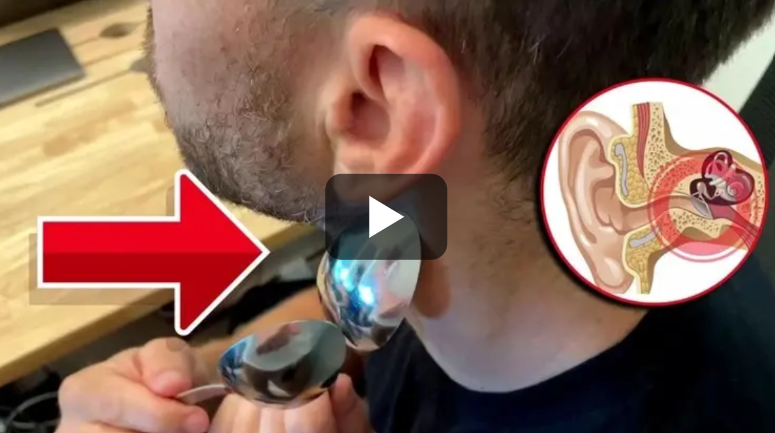
What Exactly Is Tinnitus?
Tinnitus is a perception of sound when no external sound is present. It’s often described as a ringing or buzzing in one or both ears — though the experience varies. Some people hear white noise, others perceive a buzz, or even a rhythmic pulsing or whooshing sound matching their heartbeat, known as pulsatile tinnitus.
In medical terms, tinnitus is a common auditory condition that affects the inner ear or auditory pathways. It’s not a disease but a symptom of an underlying condition such as hearing loss, ear infection, or even blood vessel disorders. While tinnitus may come and go for some, it can be present all the time for others, significantly impacting quality of life.
What Causes Tinnitus and Why Does the Ringing Begin?
The causes of tinnitus can vary widely, and sometimes it’s difficult to pinpoint the exact reason. The most common causes of tinnitus include exposure to loud noise, age-related hearing loss, ear wax, and ear infections. When loud noise exposure damages the cells in the inner ear, the perception of noise can linger, leading to constant ringing in the ears.
Other factors, such as blood vessel disorders, high blood pressure, or even certain antibiotic medications, can cause tinnitus or make it worse. Sometimes, tinnitus can also result from ear injury, head trauma, or inner ear disorder. Understanding the underlying cause is key to effective treatment and prevention.
What Are the Common Tinnitus Symptoms?
The tinnitus symptoms can differ among individuals. Some people hear a ringing sound, while others experience buzzing sound, hissing, clicking, or roaring. The intensity of tinnitus sound varies — it can be faint and manageable or loud and distracting.
People with tinnitus may also experience hearing loss, especially age-related hearing loss, or hearing loss in one ear. Tinnitus may feel worse at night when external sounds fade, making the constant noise more noticeable. The perception of tinnitus can fluctuate with stress, fatigue, or exposure to loud environments.
Can Loud Noise Exposure Cause or Worsen Tinnitus?
Absolutely. Exposure to loud noise is one of the leading common causes of tinnitus. Whether it’s from concerts, machinery, or headphones, sound waves that are too intense can damage the structures of the ear, especially the delicate cochlea inside the inner ear.
Repeated noise exposure can make tinnitus more noticeable or even cause hearing loss and tinnitus together. Over time, this worsening tinnitus becomes difficult to manage. That’s why experts always recommend that you protect your ears in loud settings — a simple but crucial step to prevent tinnitus and reduce the impact of tinnitus long-term.
How Does Hearing Loss Relate to Tinnitus?
Hearing loss and tinnitus often go hand in hand. When hearing loss occurs, especially due to age-related hearing loss or loud noise exposure, the brain compensates by amplifying the missing frequencies — resulting in the perception of sound that isn’t actually there.
This is why tinnitus can be caused by any inner ear disorder that disrupts normal auditory processing. People with tinnitus may not realize they have hearing loss until a hearing test reveals it. Using a hearing aid can help mask the tinnitus, reduce the impact of tinnitus, and make daily life more comfortable for tinnitus sufferers.
What Is Pulsatile Tinnitus and Why Does It Sound Like a Heartbeat?
Unlike standard tinnitus, pulsatile tinnitus is rhythmic and time with your heartbeat. It’s usually associated with tinnitus caused by blood vessel abnormalities. Blood flow that’s too strong or turbulent — sometimes due to artery narrowing or high blood pressure — can create a pulsing sound near the ear.
Pulsatile tinnitus may also occur if blood vessel disorders affect the middle ear. This type of tinnitus is sometimes called objective tinnitus because, in rare cases, even a doctor can hear the sound during an exam. Mayo Clinic experts note that pulsatile tinnitus often points to an underlying condition, so it’s important to see a doctor right away for evaluation.
Can Ear Infections or Ear Problems Cause Tinnitus?
Yes — ear infections can cause tinnitus, especially when they block the ear canal or affect the middle ear. A buildup of ear wax, ear infection, or ear injury can make tinnitus more intense by interfering with sound waves reaching the inner ear.
Ear problems such as Eustachian tube dysfunction, fluid buildup, or outer ear inflammation may also cause or worsen tinnitus. In these cases, treating tinnitus involves addressing the underlying condition with medication or, in some cases, antibiotic treatment. For persistent or chronic tinnitus, specialized tinnitus retraining therapy may help.
How to Stop the Ringing: Can Tinnitus Be Cured?
There is currently no cure for tinnitus, but there are many ways to stop the ringing or make tinnitus less noticeable. Sound therapy, white noise machines, and hearing aids are among the most effective options. These tools reduce or mask the noise, helping people with tinnitus relax and sleep better.
Tinnitus can occur suddenly or develop gradually, and though it can’t be completely eliminated, treatments can help make tinnitus manageable. Mayo Clinic specialists emphasize personalized treatment options, such as tinnitus retraining therapy, counseling, and sound therapy to reduce the impact of tinnitus over time.
What Are the Different Types of Tinnitus?
There are two main categories — subjective tinnitus and objective tinnitus. Subjective tinnitus is the most common and heard only by the individual. It often results from hearing loss, inner ear disorder, or noise exposure. Objective tinnitus, on the other hand, can be detected by a healthcare provider and is often associated with tinnitus linked to blood vessel or muscular issues.
Tinnitus can vary in pitch, duration, and intensity. Some people experience tinnitus as a continuous ringing in your ears, while others report a buzzing sound, ring, or phantom noises in your ears that may come and go. Understanding your type of tinnitus helps doctors tailor a more effective treatment plan.
Can Stress, Medications, or Illness Make Tinnitus Worse?
Yes — stress, certain medications, and underlying conditions can make tinnitus worse. Drugs like anti-inflammatory drugs, antibiotics, or diuretics sometimes cause tinnitus as a side effect. Similarly, conditions such as high blood pressure, multiple sclerosis, and head and neck issues can exacerbate tinnitus symptoms.
Stress amplifies the perception of tinnitus, making the constant noise more noticeable. For people with tinnitus, managing anxiety, improving sleep, and practicing relaxation techniques are vital for keeping symptoms under control and preventing worsening tinnitus over time.
How Can You Manage or Reduce the Impact of Tinnitus?
To manage tinnitus, focus on lifestyle changes and therapies that reduce the impact of tinnitus. Sound therapy, white noise machines, and hearing aids can mask the tinnitus, making the tinnitus sound blend with background noise. Some tinnitus sufferers find relief through meditation, exercise, and mindfulness practices.
If tinnitus can be a side effect of medication, discuss alternatives with your doctor. Mayo Clinic suggests regular checkups, especially if you notice tinnitus in only one ear or it’s present all the time. Always protect your ears from loud noise, and avoid noise exposure to prevent further hearing loss or make tinnitus more noticeable.
When Should You See a Doctor for Ear Ringing?
If you notice ringing in one ear, tinnitus that develops suddenly, or tinnitus in only one ear that worsens, it could be a sign of something serious. See a doctor right away if your tinnitus is due to injury, infection, or if it’s accompanied by dizziness or hearing loss.
A specialist such as an otolaryngologist (ear, nose and throat doctor) can perform a physical examination, review your medical history, and identify any underlying condition contributing to your symptoms. The earlier you treat tinnitus, the better the chances of preventing chronic tinnitus or hearing loss progression.
🧠 Key Takeaways: How to Protect Your Hearing and Manage Tinnitus
- Tinnitus is the perception of noise or ringing in the ears, often described as a ringing or buzzing sound.
- Exposure to loud noise and hearing loss are among the most common causes of tinnitus.
- Pulsatile tinnitus involves hearing a rhythmic pulsing or whooshing sound in sync with your heartbeat.
- Tinnitus can be caused by ear infections, ear wax, or inner ear disorders.
- Hearing aids and sound therapy can reduce the impact of tinnitus and mask the tinnitus effectively.
- Stress and high blood pressure can make tinnitus worse, while relaxation and white noise may help.
- Mayo Clinic recommends seeking help if tinnitus is present all the time or affects one ear.
- There is no cure for tinnitus, but proper care and lifestyle adjustments can help make tinnitus more manageable.
- Always protect your ears to avoid loud noise exposure and prevent worsening tinnitus.