
Explore the causes of tinnitus, from a constant ring to buzz sounds. Understand ringing in your ears and find relief. (WATCH)
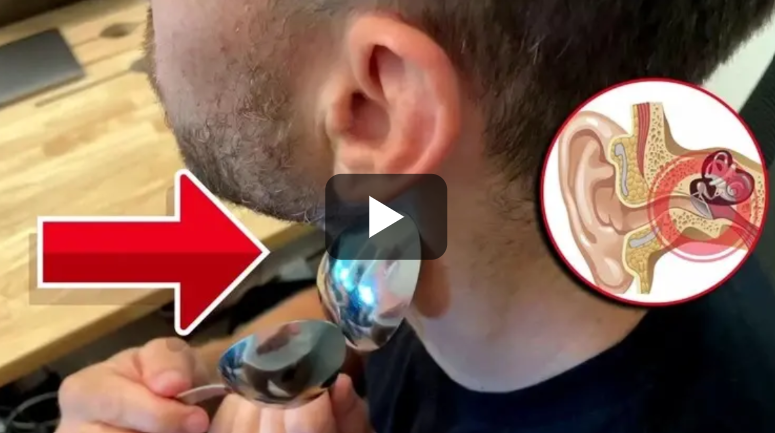
What Is Tinnitus and Why Does It Cause Ringing in the Ears?
Tinnitus is the perception of a ringing sound, humming, or buzz without any external sound present. Tinnitus is a common hearing condition that can affect one or both ears, and in some cases, affects both ears equally.
Tinnitus is caused when the cells in the inner ear or auditory pathways are damaged. These cells send random signals to the brain, which interprets them as sound—resulting in the perception of sound even when none exists. Tinnitus may appear suddenly or develop gradually over time.
There are two main types of tinnitus: subjective tinnitus, which only you can hear, and objective tinnitus, which a doctor can sometimes detect using a stethoscope. In rare cases, tinnitus can also occur rhythmically with your pulse, a form known as pulsatile tinnitus.
What Are the Symptoms of Tinnitus?
Tinnitus symptoms vary widely. Some people hear a ring, others a buzz, hiss, or clicking. The intensity and tone can fluctuate. In mild cases, the tinnitus sound is only noticeable in quiet environments, while chronic tinnitus can interfere with sleep and daily activities.
Common symptoms of tinnitus include difficulty concentrating, fatigue, and stress. In many situations, tinnitus symptoms may worsen with anxiety or exposure to loud noise. The ringing in your ears may also seem louder at night when external sounds are minimal.
People with tinnitus also sometimes experience hearing loss, and hearing loss and tinnitus are often linked. If you notice these tinnitus symptoms, a hearing test is recommended to rule out any inner ear disorder.
What Causes Tinnitus?
The cause of tinnitus can stem from various ear problems or general health issues. The common causes of tinnitus include exposure to loud noise, ear infection, and age-related changes in the inner ear.
Repeated noise exposure from concerts, headphones, or machinery can damage delicate cells in the inner ear, leading to hearing loss and triggering tinnitus. An untreated ear infection may block the ear canal or damage the middle ear, causing ear ringing.
Other causes include high blood pressure, certain medications, blood vessel disorders, and inner ear disorders like Meniere’s disease. These conditions can all cause or worsen tinnitus.
How Does Hearing Loss Contribute to Tinnitus?
Age-related hearing loss is one of the most common causes of tinnitus. When the auditory system loses sensitivity, the brain may compensate by creating phantom noises, leading to the ringing in ears effect.
People with tinnitus often also have hearing loss in one or both ears. This hearing loss and tinnitus combination can make it difficult to focus on external sounds, further enhancing the tinnitus sound.
A hearing aid can help reduce the impact of tinnitus by amplifying background sounds and reducing the brain’s focus on the internal ringing sound. It’s an important treatment option for those experiencing tinnitus and hearing loss together.
Can Ear Infections Cause Tinnitus?
Yes, ear infections can cause temporary or permanent tinnitus. An ear infection in the outer ear or middle ear can block the ear canal or put pressure near the ear, which can make tinnitus more noticeable.
When fluid builds up behind the eardrum or inflammation occurs, the auditory system may react with ear ringing or a buzz. These ear problems often resolve once the infection is treated, but in some cases, they lead to tinnitus that persists.
If you suspect an ear infection, seek medical attention immediately. Treating the underlying cause early can prevent it from progressing to hearing loss or chronic tinnitus.
What Is Pulsatile Tinnitus and Why Does It Happen?
Pulsatile tinnitus, sometimes known as pulsatile tinnitus, is a rhythmic ring or whooshing sound that beats in time with your pulse. It’s often linked to blood vessel abnormalities or high blood pressure.
Unlike other forms, this type of tinnitus can sometimes be heard by doctors during an exam, making it a unique form of tinnitus called objective tinnitus. Pulsatile tinnitus may result from turbulent blood flow near the ear or structural issues in the middle ear.
Addressing conditions like high blood pressure can help treat tinnitus of this type. Medical imaging may be needed to find the underlying cause and prevent further complications.
What Are the Common Causes of Tinnitus in Adults?
The common causes of tinnitus include exposure to loud noise, ear infection, hearing loss, and certain medical conditions. Regular exposure to loud environments can damage the inner ear, creating permanent tinnitus.
Caused by ear conditions or blood vessel issues, tinnitus can be caused by something as simple as earwax buildup or as complex as cardiovascular disease. Age-related hearing loss, ototoxic drugs, or even stress can exacerbate tinnitus symptoms.
In many adults, the risk of developing tinnitus increases with age and long-term noise exposure. Protect your ears whenever you’re in loud environments to prevent tinnitus.
What Treatment Options Exist for Tinnitus?
While there’s no guaranteed cure for tinnitus, several treatment options can reduce the impact of tinnitus and improve quality of life. These include sound therapy, tinnitus retraining therapy, counseling, and hearing aids.
Sound therapy introduces soothing background noise to mask the tinnitus and distract the brain from the internal ringing. Tinnitus retraining therapy combines sound with relaxation techniques to retrain how the brain responds to the tinnitus sound.
Working with an audiologist to create a personalized treatment plan can help manage tinnitus more effectively. These strategies don’t eliminate tinnitus, but they can reduce the impact and provide lasting relief.
How Can You Prevent Tinnitus or Stop It from Worsening?
Although not all forms of tinnitus can be avoided, you can take steps to prevent tinnitus or worsen tinnitus symptoms. Always protect your ears during exposure to loud noise, avoid inserting objects that may block the ear canal, and maintain cardiovascular health to prevent high blood pressure–related tinnitus.
Limiting caffeine, nicotine, and alcohol intake can also help reduce the impact of tinnitus. Managing stress and using relaxation methods can prevent tinnitus also from intensifying.
By understanding what can cause ringing, you can manage tinnitus proactively and improve your daily comfort and hearing health.
What Role Do Hearing Aids and Sound Therapy Play in Tinnitus Management?
Hearing aids and sound therapy are two of the most effective approaches for tinnitus treatment. A hearing aid amplifies ambient sounds, which helps the brain focus less on tinnitus and more on real noises around you. This can significantly reduce the impact of tinnitus in those with hearing loss.
Sound therapy devices can create white noise or natural sounds that mask the tinnitus. This sound may help retrain the brain to filter out the ringing or buzzing, leading to long-term relief for people with tinnitus.
Hearing aids and sound therapy combined provide a comprehensive way to manage tinnitus, especially when guided by a hearing specialist. Together, they help treat tinnitus and restore focus, peace, and clarity.
What Are the Best Ways to Manage Chronic or Severe Tinnitus?
Chronic tinnitus can be difficult, but it’s possible to reduce the impact through consistent care. Using hearing aids, participating in tinnitus retraining therapy, and engaging in relaxation exercises all help manage tinnitus symptoms.
For people with tinnitus that interferes with daily life, counseling and mindfulness can address the emotional reaction to tinnitus and decrease distress.
The key to success is persistence. By combining medical evaluation, sound-based therapies, and lifestyle changes, you can treat tinnitus effectively and live comfortably again.
Key Points to Remember
- Tinnitus is often described as a ringing or buzz in the ears without any external sound.
- Tinnitus is a common symptom often linked to hearing loss, ear infection, or noise exposure.
- Pulsatile tinnitus is a rhythmic ring often related to blood vessel conditions or high blood pressure.
- The common causes of tinnitus include exposure to loud noise, aging, and ear problems.
- Hearing aids and sound therapy are proven ways to reduce the impact of tinnitus.
- There is no definitive cure for tinnitus, but effective treatment for tinnitus can manage symptoms.
- Always protect your ears to prevent tinnitus and avoid activities that cause or worsen tinnitus.
- People with tinnitus also often have hearing loss—a hearing aid can help restore balance.
- Seek help early for ear infection or hearing loss to avoid long-term complications.
- With the right treatment options and awareness, you can manage tinnitus and live a full, peaceful life.